UNITED NATIONS (UN)
OFFICIAL OVERVIEW
Establishment and Authority
The United Nations (UN) is the foremost international organization dedicated to maintaining global peace, strengthening international law, advancing human rights, and promoting sustainable development. Established on 24 October 1945, following the devastation of World War II, the United Nations was founded on the principles of collective security, diplomatic cooperation, and the peaceful resolution of disputes among nations.
With 193 Member States, the UN serves as the central platform for global dialogue, decision-making, and coordinated international action.
Mandate and Strategic Objectives
The United Nations operates under a clear and enduring mandate to:
- Preserve international peace and security
- Protect and promote fundamental human rights
- Support economic advancement and social progress
- Provide humanitarian relief during crises and disasters
- Strengthen international law and diplomacy
- Advance global sustainability through the Sustainable Development Goals (SDGs)
Through these objectives, the organization seeks to ensure stability, dignity, and opportunity for all people worldwide

Principal Organs of Governance
The structure of the United Nations is built upon six principal organs:
- General Assembly
The main deliberative body where all Member States participate equally in shaping international policy and global priorities. - Security Council
Entrusted with maintaining international peace and security, including peacekeeping operations, conflict prevention, and enforcement measures. - Economic and Social Council (ECOSOC)
Coordinates global efforts on economic development, social progress, environmental sustainability, and international cooperation. - International Court of Justice
The primary judicial organ responsible for resolving legal disputes between sovereign states in accordance with international law. - Secretariat
Administers the daily operations of the organization under the leadership of the Secretary-General. - Trusteeship Council
Established to oversee territories transitioning to self-governance; currently inactive after completing its historical mandate.
Specialized Agencies and Operational Programs
The United Nations system includes multiple specialized agencies and programs that implement global initiatives, including:
World Health Organization (WHO) — International public health leadership
United Nations Children’s Fund (UNICEF) — Child protection and welfare
UNESCO — Education, science, and cultural advancement
UNHCR — Protection and support for refugees
World Food Programme (WFP) — Emergency food assistance and hunger relief
Peacekeeping and Global Security Operations
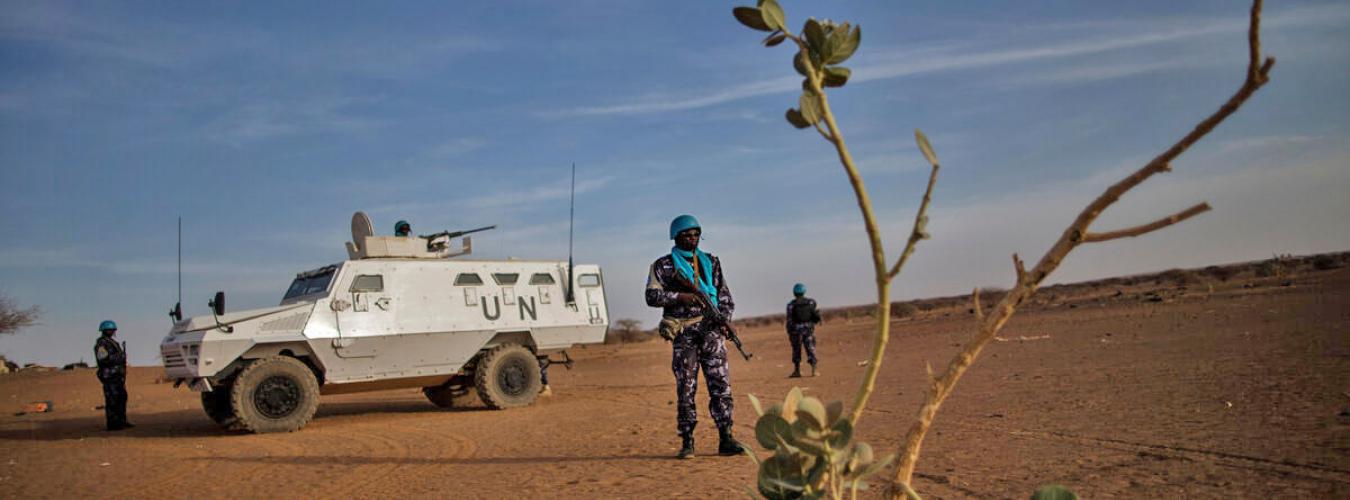
United Nations Peacekeeping Missions operate in conflict-affected regions to stabilize communities, protect civilians, support democratic processes, and facilitate peaceful transitions. UN peacekeepers, recognized by their blue helmets, work under international mandates to maintain ceasefires, support humanitarian efforts, and assist in post-conflict reconstruction.
Leadership and Diplomatic Role
The Secretary-General serves as the chief administrative officer and global diplomatic leader of the United Nations. Acting as a mediator and international representative, the Secretary-General advances dialogue, coordinates humanitarian responses, and mobilizes international cooperation in times of crisis.
Global Impact and Legacy
Since its founding, the United Nations has played a decisive role in:
- Preventing and resolving international conflicts
Promoting global health initiatives and disease prevention - Advancing gender equality and human rights protections
Supporting education, innovation, and cultural exchange - Reducing poverty and improving living standards worldwide
- Institutional Commitment
The United Nations remains steadfast in its mission to foster peace, justice, and cooperation among nations. Through diplomacy, humanitarian service, and multilateral engagement, it continues to work toward a stable, equitable, and sustainable future for all humanity.
UN Sustainable Development
Goals
17 Goals to transform our world
The Sustainable Development Goals are a call for action by all countries
poor, rich and middle-income — to promote prosperity while protecting the planet.
ActNow Campaign
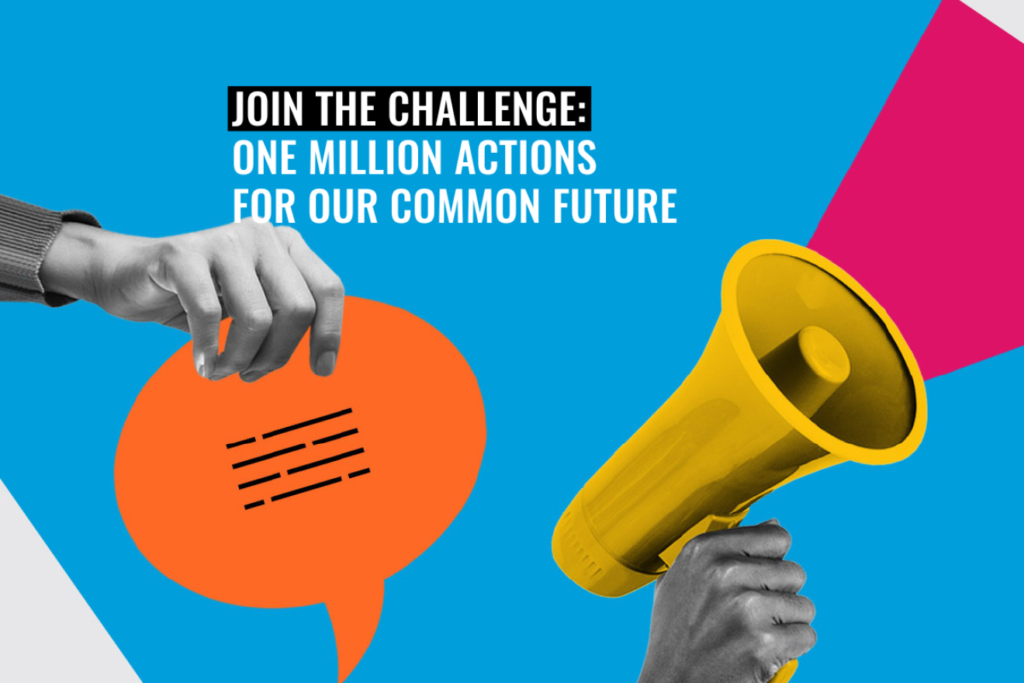
The Goals can improve life for all of us. Cleaner air. Safer cities. Equality. Better jobs. These issues matter to everyone. But progress is too slow. We have to act, urgently, to accelerate changes that add up to better lives on a healthier planet. Find new inspiring actions on the app and at un.org/actnow.
Act Now for a Peaceful World
Today, half the world is under 30, and this generation is a powerful force for peace. The UN “Hear Us. Act Now for a Peaceful World” campaign, launched on the International Day of Peace, aims to include, invest in, and partner with young people to build lasting peace.
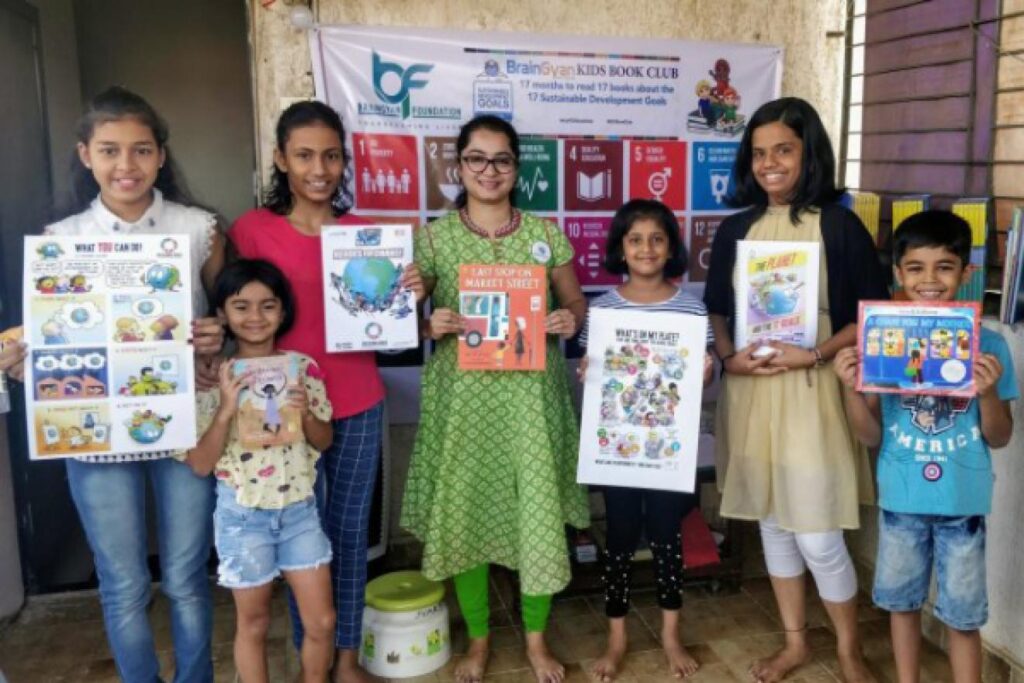
SDG Book Club
Reading and learning are essential to children’s growth and development; stories can fuel their imagination and raise awareness of new possibilities. The SDG Book Club aims to encourage them to learn about the Goals in a fun, engaging way, empowering them to make a difference.
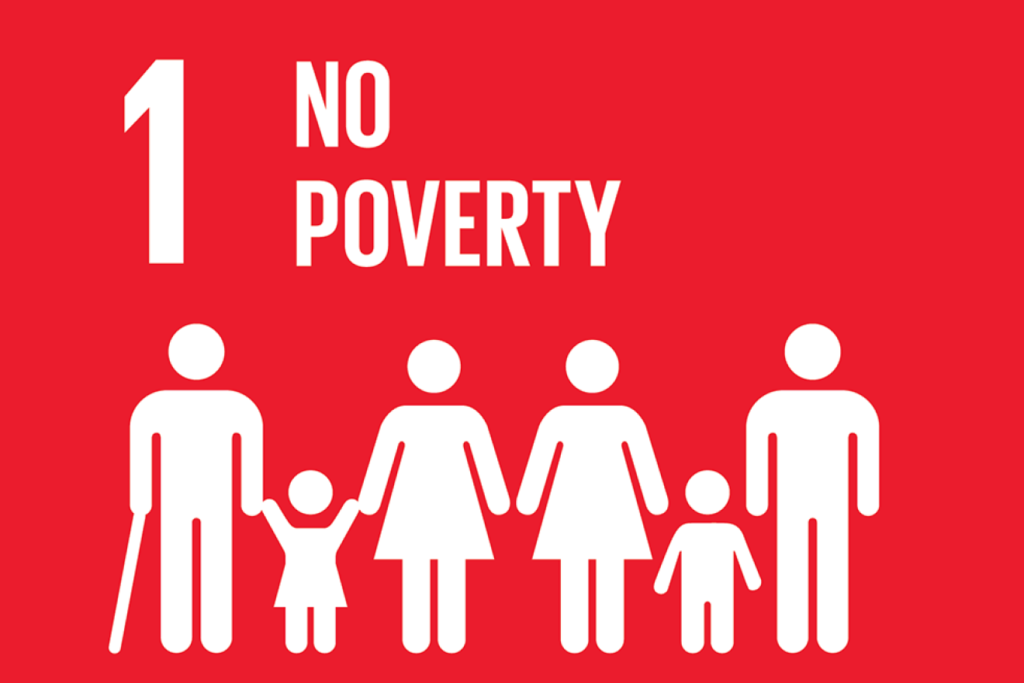
Goal of the month 1
Goal 1: No Poverty
End poverty in all its forms everywhere.
More from the
United Nations
Featured stories from across the United Nations and our world-wide family of
agencies, funds, and programmes.
Economic Development
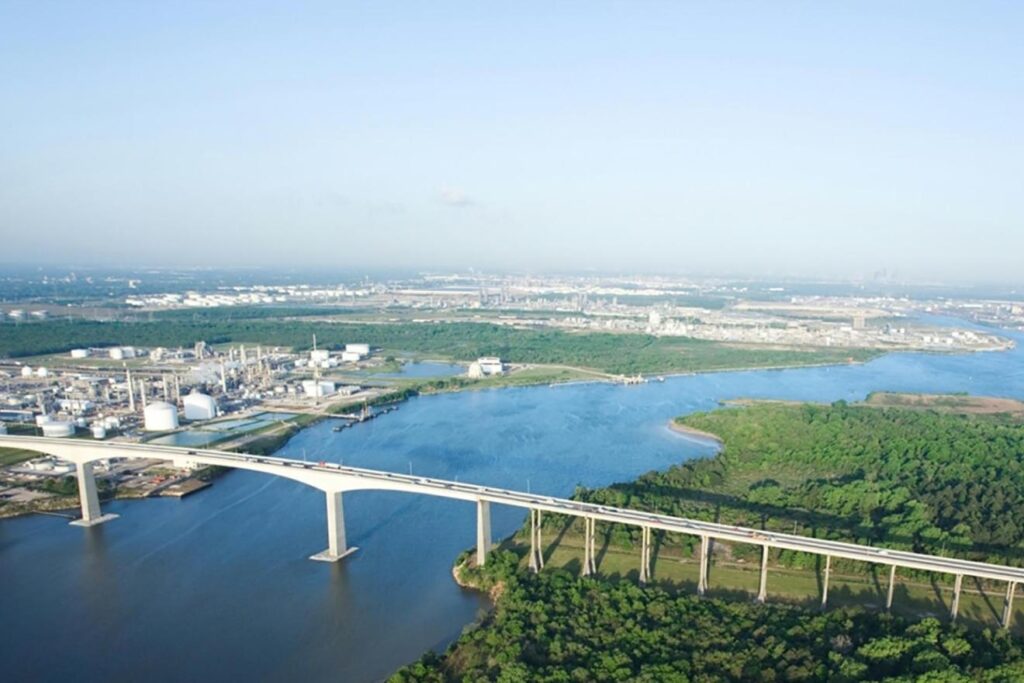
Harmful investments outpace nature protection by 30 to 1
At a time when nature needs allies, our money is still marching in the opposite direction. A new United Nations Environment Programme (UNEP) report warns that for every US$1 invested in protecting nature, US$30 goes to activities that harm it. In 2023, nature‑negative finance reached US$7.3 trillion, driven by private sector flows and US$2.4 trillion in harmful public subsidies. The report calls for a major shift in global financing of Nature-based Solutions (NbS) and phasing out harmful investments to deliver high returns, reduce risk exposure, and enhance resilience.
Health
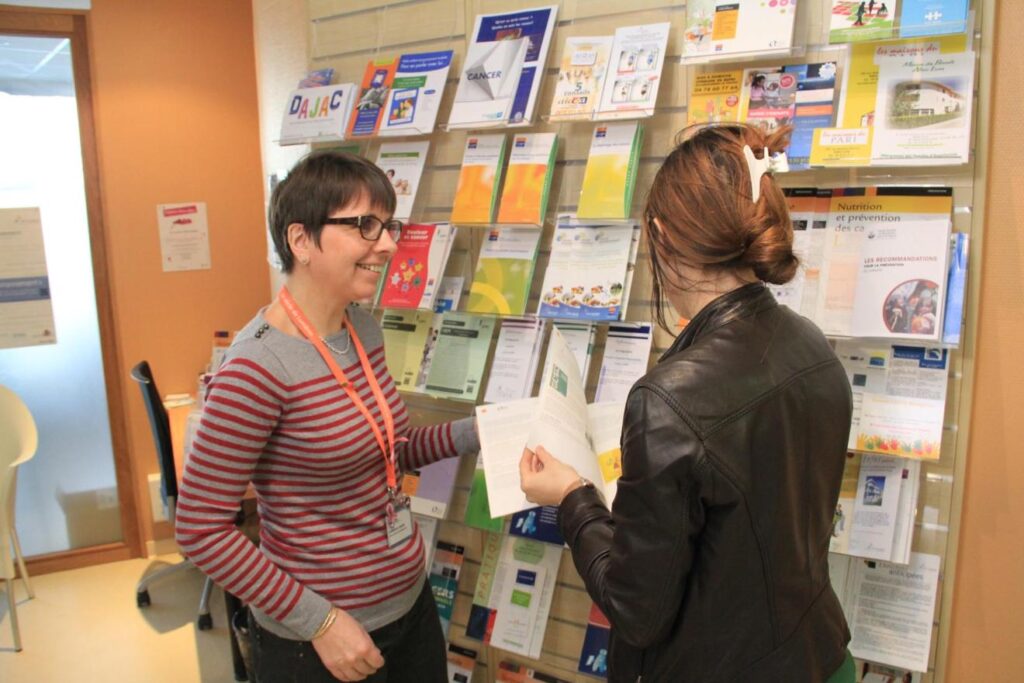
Four in ten cancer cases could be prevented globally
In a stark reminder of how much of the world’s cancer burden is within our power to change, new World Health Organization (WHO) findings expose the enormous role preventable risks play in shaping global health. The new analysis reveals that up to 40% of global cancer cases could be prevented, estimating 37% of new cases in 2022, or 7.1 million, linked to preventable causes. Tobacco is the leading culprit (15%), followed by infections (10%) and alcohol (3%). Lung, stomach, and cervical cancers comprised nearly half of preventable cases, with smoking and air pollution primarily contributing to lung cancer. Meanwhile, in Gaza, thousands of patients continue to endure worsening illnesses and untreated pain.
Economic Development
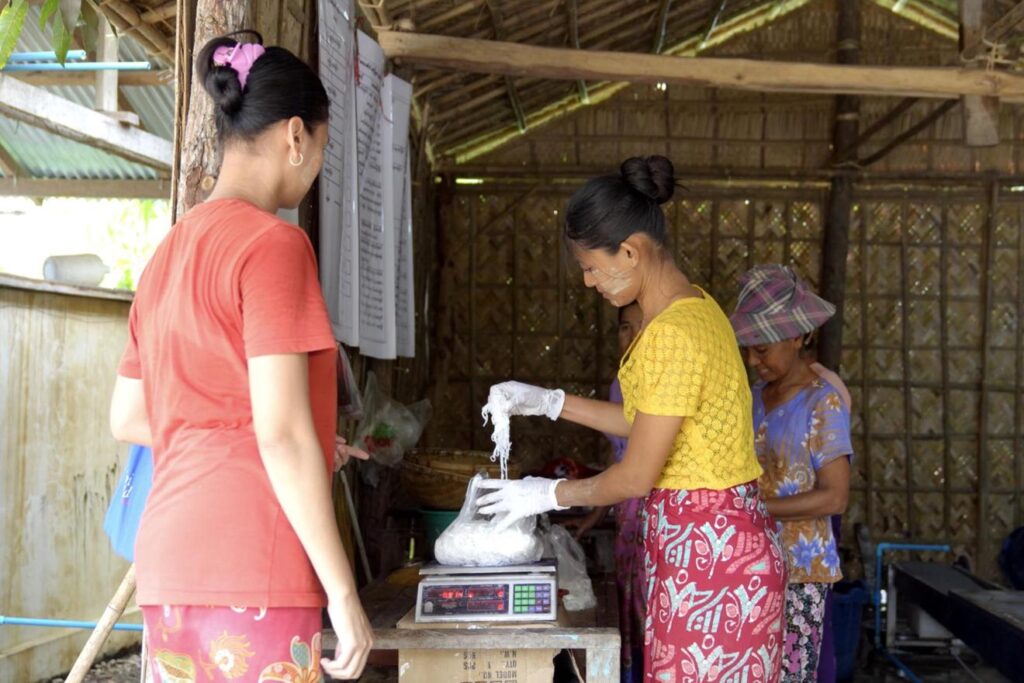
Noodles that nourish and empower
Maw Maw Hmwe operates a food stall selling rice noodle salads in Myanmar’s Magway Region. As a mother of eight facing unstable crop yields due to climate change and political crisis, she needed a reliable income. In 2024, she joined a women’s savings and credit group supported by the Food and Agricultural Organization (FAO), which helped her access low-interest loans. Initially hesitant, she took a loan to improve her rice farming, which led to better harvests. The group not only provided financial support but also fostered a community where women share ideas and support each other during challenging times, giving Maw Maw a sense of confidence and independence.
Torture and Other Cruel Treatment, UN Women
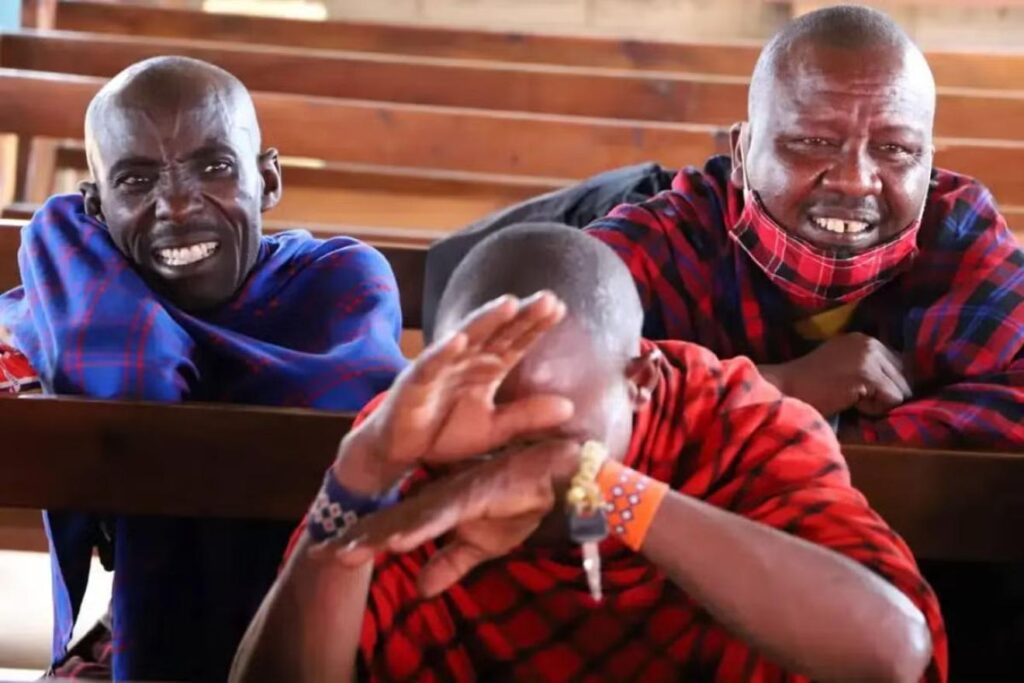
Justice beyond banning FGM
Ending female genital mutilation requires more than laws, it demands survivor-centred justice, including healing, support, accountability, and changing enabling social attitudes.
Peace and Security, UNFPA
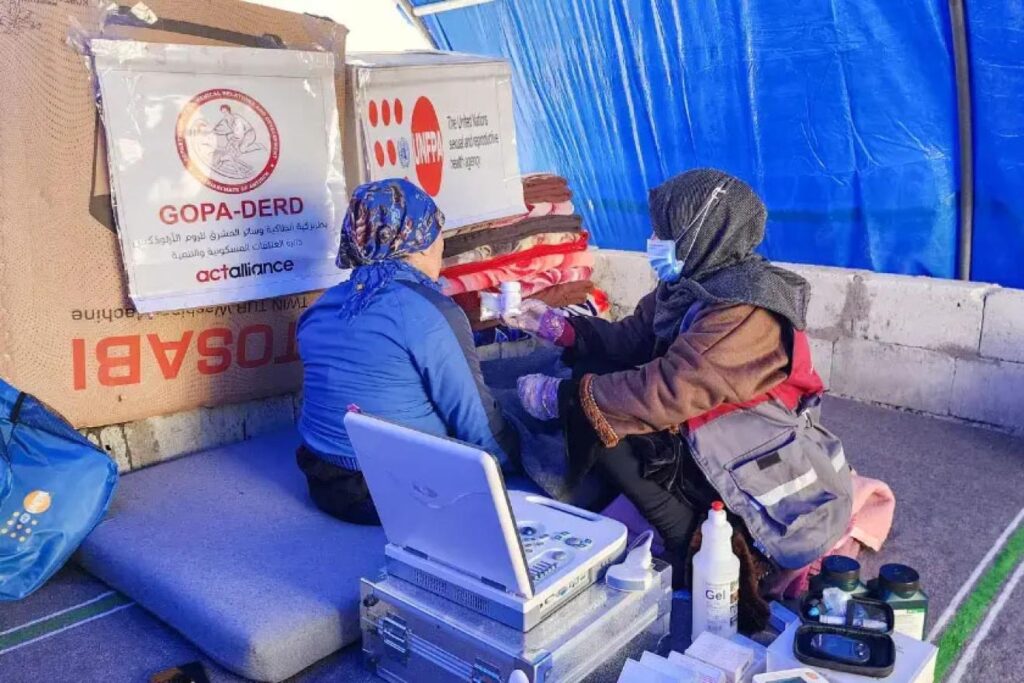
Displacement threatens women’s health
As violence and winter grip northern Syria, pregnant and displaced women face life-threatening risks as homes, safety and access to healthcare collapse.
SDG 16: Peace, Justice and Strong Institutions, UNESCO
UNESCO's Félix Houphouët-Boigny peace prize
UNESCO invites nominations for the 2026 Félix Houphouët-Boigny Peace Prize, honoring up to three individuals or institutions advancing peace.
Deadline: 28 February 2026.

Transport and Communications, UNECE
Brazil joins global TIR system
Brazil’s accession to the International Transport of Goods (TIR) Convention strengthens South American trade integration by cutting cross-border transport times and costs while boosting connectivity along key regional corridors.
What we do
Due to the powers vested in its Charter and its unique international character, the United Nations can take action on the issues confronting humanity in the 21st century, including:
- Maintain international peace and security
- Protect human rights
- Deliver humanitarian aid
- Promote sustainable development
- Uphold international law
Structure of the
United Nations
The main parts of the UN structure are the General Assembly, the
Security Council, the Economic and Social Council, the Trusteeship Council, the International Court of Justice, and the UN Secretariat. All were established in 1945 when the UN was founded.

General Assembly
The General Assembly is the main deliberative, policymaking and representative organ of the UN. All 193 Member States of the UN are represented in the General Assembly, making it the only UN body with universal representation.

Security Council
The Security Council has primary responsibility, under the UN Charter, for the maintenance of international peace and security. It has 15 Members (5 permanent and 10 non-permanent members). Each Member has one vote. Under the Charter, all Member States are obligated to comply with Council decisions.
Economic and Social Council
The Economic and Social Council is the principal body for coordination, policy review, policy dialogue and recommendations on economic, social and environmental issues, as well as implementation of internationally agreed development goals.
Trusteeship Council
The Trusteeship Council was established in 1945 by the UN Charter, under Chapter XIII, to provide international supervision for 11 Trust Territories that had been placed under the administration of seven Member States, and ensure that adequate steps were taken to prepare the Territories for self-government and independence.
International Court of Justice
The International Court of Justice is the principal judicial organ of the United Nations. Its seat is at the Peace Palace in the Hague (Netherlands). It is the only one of the six principal organs of the United Nations not located in New York (United States of America).

Secretariat
The Secretariat comprises the Secretary-General and tens of thousands of international UN staff members who carry out the day-to-day work of the UN as mandated by the General Assembly and the Organization’s other principal organs.